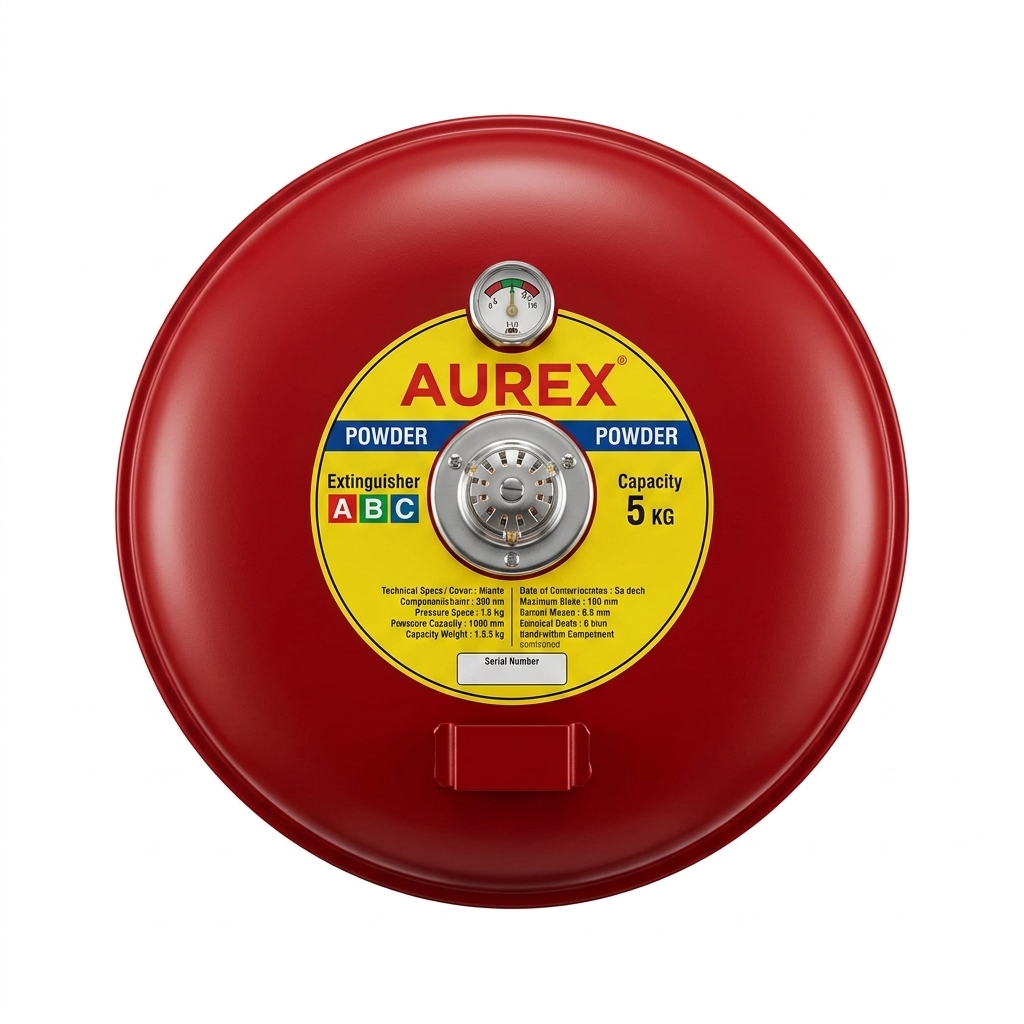
Electrical Panel Fire Protection Guide

Key Takeaways
- Root Cause of Plant Fires: Over 40% of industrial factory and commercial fires originate inside electrical control panels due to loose busbars, short circuits, and harmonic overheating.
- Targeted DLP Technology: Direct Low Pressure (DLP) heat-detection polymer tubing acts as both sensor and discharge nozzle directly inside the enclosure.
- 100% Fail-Safe: Activates mechanically at 138°C without electricity, batteries, or electronic control boards.
- Zero Residue: Uses non-conductive clean agents (FK-5-1-12 or HFC-227ea) that leave circuit boards and contactors completely dry and undamaged.
In modern industrial facilities, process plants, data centers, and commercial buildings, electrical enclosures are the beating heart of operations. Low Tension (LT) panels, High Tension (HT) switchgear, Motor Control Centers (MCC), and server racks work non-stop under high electric loads. Yet, statistical investigations show that electrical failures and arc flashes account for more than 40% of all catastrophic facility fires in India.
Because electrical panels are tightly sealed steel boxes, fires inside them frequently burn unnoticed until thick smoke or heat breaches the cabinet. By that stage, standard ceiling smoke detectors or room sprinklers trigger too late—resulting in millions of rupees in equipment loss, weeks of plant downtime, and severe business disruption. This is why forward-thinking safety engineers install micro-environment automatic electrical panel fire suppression systems.
Why Traditional Fire Protection Fails for Electrical Cabinets
Many facilities mistakenly rely on room-level firefighting equipment to protect enclosed electrical gear. Here is why conventional systems fall short:
- Room Smoke Detectors React Too Late: Standard optical smoke detectors are installed on high ceilings. An internal smoldering wire or circuit board capacitor fire inside a closed IP55/IP65 panel can destroy sensitive electronics long before enough smoke escapes to trip a ceiling alarm.
- Water Sprinklers Cause Catastrophic Short Circuits: Discharging water over live electrical panels causes immediate phase-to-phase explosive flashovers, ruined transformers, and irreversible water damage.
- Dry Chemical ABC Powder Corrodes Electronics: Discharging ABC powder inside a panel leaves a sticky monoammonium phosphate coating that is hygroscopic and acidic, irreparably corroding microchips, relay contacts, and copper busbars.
- Manual Fire Extinguisher Delay: Opening a blazing electrical panel allows sudden ingress of oxygen, causing an explosive backdraft or flashover that can severely injure the operator.
What is a Direct Low Pressure (DLP) Fire Suppression System?
The AUREX Direct Low Pressure (DLP) Fire Suppression System is a specialized, self-actuating micro-environment safety system designed specifically to extinguish fires right where they start—inside the cabinet.
The system consists of a pressurized cylinder containing a certified clean extinguishing agent (FK-5-1-12 or HFC-227ea), fitted with a specialized DLP differential valve and connected to a flexible, specialized polymer Fire Detection Tube (FDT). This detection tube is snake-routed through every critical electrical zone, busbar joint, and contactor bundle inside the enclosure.
How the Pneumatic Heat-Detection Tube Works
- Continuous Thermal Monitoring: The flexible tube is charged under nitrogen pressure (10 to 12 Bar). It acts as a continuous 360-degree linear heat detector across the entire internal geometry of the cabinet.
- Pinpoint Rupture at 138°C: When an electrical arc, overheated terminal, or small flame contacts the tubing, the tube softens and bursts at the hottest spot (typically calibrated at 138°C).
- Direct Agent Discharge: The rupture creates an instant micro-nozzle at the exact origin of the flame. The differential pressure valve opens immediately, discharging clean extinguishing agent directly into the heart of the fire within 5 to 10 seconds.
- Simultaneous Alarm & Power Cut: An optional integrated pressure switch trips immediately upon discharge to cut off the main incoming breaker and trigger the building fire alarm.
| Comparison Feature | AUREX Direct Tube (DLP) System | Total Room Flooding System | Manual Portable Extinguisher |
|---|---|---|---|
| Detection Speed | Instantaneous (5–10 seconds at flame point) | 30–90 seconds (waiting for room smoke) | Minutes (relies on human discovery) |
| External Power Needed | None (100% Pneumatic & Mechanical) | Yes (Requires control panels & backup batteries) | Manual Human Operation |
| Cost Effectiveness | Very High (Directly protects target volume) | Expensive (Requires flooding entire large room) | Low Initial Cost, High Human Risk |
| Post-Fire Residue | Zero (100% Clean gas, no cleanup) | Zero (Clean gas) | Heavy sticky powder residue (if ABC used) |
| False Alarm Possibility | Virtually 0% (Physical heat rupture only) | Moderate (Dust/steam can trip smoke heads) | N/A |
Clean Extinguishing Agents: FK-5-1-12 vs HFC-227ea
AUREX electrical panel suppression systems are charged with world-class, environmentally responsible clean agents:
- FK-5-1-12 (Sustainable Fluoroketone Liquid): Stored as a liquid under low pressure, FK-5-1-12 vaporizes instantly upon discharge. It has an atmospheric lifetime of less than 5 days, a Global Warming Potential (GWP) of less than 1, and zero Ozone Depletion Potential (ODP). It cools the fire at the molecular level without robbing oxygen from the room.
- HFC-227ea (Clean Agent Gas): A proven, UL-listed clean extinguishing agent that chemically disrupts the combustion reaction chain. It is dielectrically non-conductive, non-toxic at design concentrations, and leaves absolutely no particulate residue.
Where Should Electrical Panel Suppression Systems Be Installed?
Pneumatic tube clean agent systems are essential across diverse commercial and manufacturing sectors:
- Industrial LT & HT Distribution Panels: Main switchboards, PCCs, MCCs, and automatic power factor correction (APFC) capacitor banks.
- Data Centers & Server Racks: IT server enclosures, network hub cabinets, telecommunication shelters, and UPS battery backup racks.
- CNC Machines & Automation Cells: CNC spindle drives, robotic controller boxes, and injection molding control cabinets where oil mist increases fire risk.
- Solar & Wind Power Installations: Solar inverter cabinets, wind turbine nacelle switchgear, and battery energy storage systems (BESS).
- Commercial Buildings & Hospitals: Lift motor control panels, HVAC chiller starter panels, and emergency generator control boards.
Protect Your Critical Electrical Infrastructure
AUREX manufactures certified Direct Low Pressure (DLP) and Indirect (ILP) panel fire suppression systems with ISI-marked MS cylinders and UL-grade components.
EXPLORE PANEL SUPPRESSION SYSTEMSSystem Maintenance & Statutory Compliance
To ensure 24/7 readiness, electrical panel suppression systems require regular visual inspections and scheduled statutory maintenance:
- Monthly Gauge Inspection: Check the integrated pressure gauge on the cylinder valve and end-of-line adapter to verify that the pointer remains steadily in the green operating zone (10–12 Bar).
- Tube Integrity Check: Ensure the flexible detection tubing is securely fastened with heat-resistant clips and has not been pinched or mechanically damaged during panel wiring updates.
- Annual Service & Certification: Have an authorized fire engineer inspect the differential discharge valve, test the pressure switch signaling contacts, and inspect the cylinder tare weight.
- Statutory Hydrotesting: In accordance with IS: 2190 standards, the mild steel cylinder body must undergo hydraulic pressure proof testing every 5 years to verify structural integrity.
Frequently Asked Questions (FAQ)
Q: How does a Direct Low Pressure (DLP) electrical panel fire suppression system work?
The DLP system utilizes a pressurized, heat-sensitive polymer Fire Detection Tube (FDT) routed directly through the electrical cabinet. When an arc fault or overheating wire reaches approximately 138°C, the tube bursts at the hottest pinpoint spot. The sudden drop in pressure triggers the valve, discharging clean extinguishing agent (FK-5-1-12 or HFC-227ea) directly through the burst opening onto the fire source, snuffing it out in under 10 seconds.
Q: Does the DLP suppression system require an electrical power supply to activate?
No. The DLP tube system is 100% pneumatic and mechanical. It operates without external electrical power, batteries, or microprocessors, making it completely fail-safe and functional even during total facility blackouts or switchgear explosions.
Q: Will the extinguishing agent damage electrical wiring or electronic circuit boards?
No. AUREX electrical panel suppression systems employ electrically non-conductive, clean gaseous extinguishing agents (such as FK-5-1-12 or HFC-227ea). They leave zero powdery residue, cause no corrosion, and produce no thermal shock, allowing equipment to be powered back on immediately after an inspection.
Q: Can the panel fire system interface with factory building alarms or power breakers?
Yes. An integrated pneumatic pressure switch can send an instantaneous signal to the central fire alarm control panel (FACP), trigger visual-audible flashers, or automatically trip the main circuit breaker to isolate power supply upon discharge.